

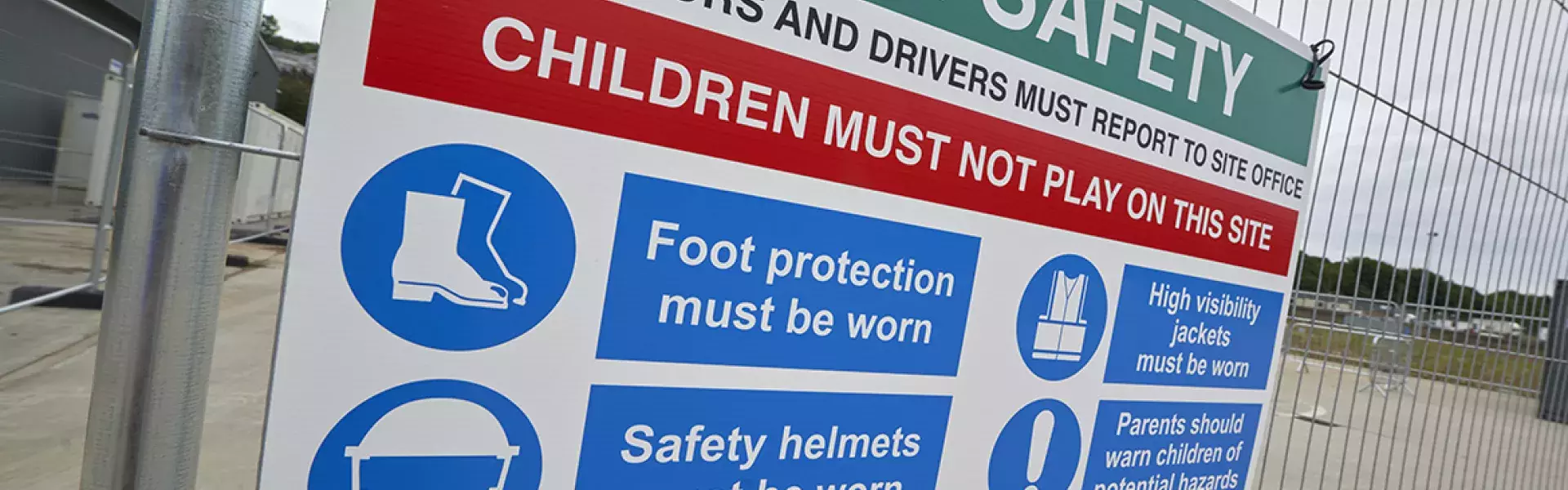
Protecting Temporary Site Cabins, Fuel Stores and Tools Overnight
Protecting Temporary Site Cabins, Fuel Stores and Tools Overnight
Temporary cabins, welfare units, fuel stores and tool areas are common overnight targets because they are easy to identify and often lightly protected.
Construction sites face changing risks from one phase of the programme to the next. New access routes, temporary boundaries, valuable materials, plant movement and multiple contractors all create security pressure points. The strongest sites treat security as an operational control, not an afterthought.
Security officers can help by checking condition, monitoring vulnerable areas and escalating issues before they become losses.
Where construction sites are commonly exposed
This is especially relevant on sites with weekend closures or changing contractor teams.
- Assess the programme phase, because access arrangements and asset exposure usually change as the project progresses.
- Give particular attention to access control, perimeter condition, lighting, vulnerable materials and the flow of deliveries and subcontractors.
- Use disciplined closing procedures and supervision to reduce avoidable weaknesses before the site becomes quiet.
- Expect the security team to provide clear incident reporting so site leaders can identify trends and strengthen control.
What effective site protection looks like
Strong results usually come from joining construction security with disciplined site management, good contractor control and reliable communication between the principal team and the security provider.
Buyers usually get the best result when expectations are clear from the start. That means defining priorities, agreeing reporting standards and making sure the service reflects how the site or event actually operates. Security should never feel generic when the risks, audiences and operational pressures are specific.
In practical terms, good delivery is visible, proportionate and well managed. It protects people and property while supporting the wider experience of staff, visitors, guests, residents, contractors or members of the public. It also creates a stronger paper trail when incidents occur, which can help with reviews, accountability and insurance questions.
How McKenzie Arnold Group can support you
McKenzie Arnold Group provides tailored construction security built around site-specific risk assessments, access control, asset protection and reporting. The aim is to reduce disruption, protect the programme and give the client a clearer picture of what is happening on site.
If you are reviewing your requirements, the next sensible step is to explore the relevant service pages for construction security and then security services. A short conversation at the planning stage often makes it easier to scope a realistic, proportionate solution.
Frequently asked questions
Why do construction sites need tailored security rather than a generic service?
Construction risks change by phase, layout and programme. A tailored service reflects access points, contractor activity, asset profile and local risk rather than applying a one-size-fits-all model.
What should site teams review when assessing security?
They should review perimeter condition, lighting, access control, lock-up routines, vulnerable assets, delivery patterns, incident history and the quality of reporting and supervision.
Need support with overnight construction security? Contact McKenzie Arnold Group on 01376 350 999, email info@mckenziearnold.com or use the contact page to discuss your requirements.

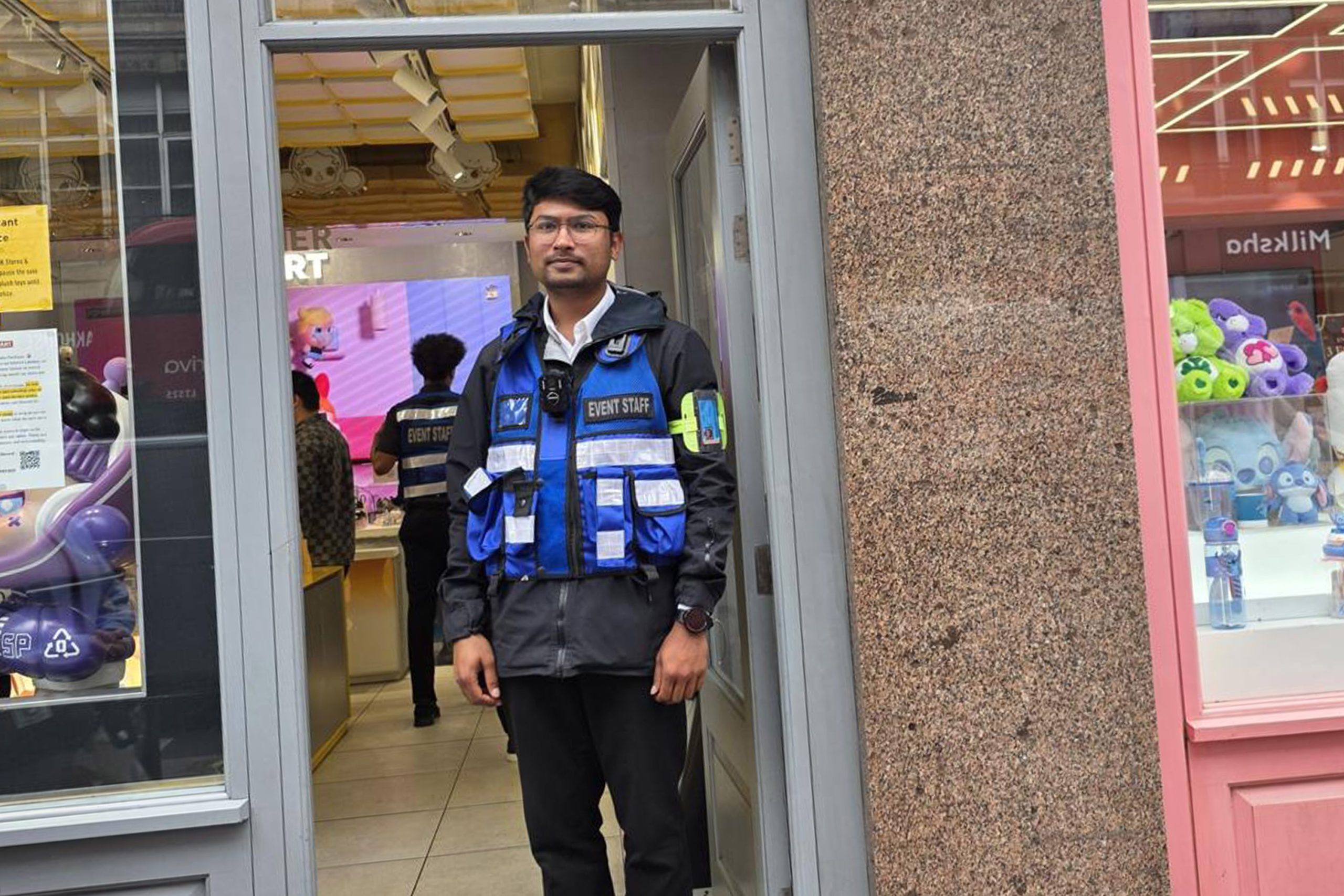
Night Security for Retail Premises After Closing Time
Night Security for Retail Premises After Closing Time
Retail sites remain vulnerable after shutters come down. Stock, cash handling areas, service doors and rear access routes can all become targets overnight.
Risk often increases when a site falls quiet. Empty car parks, dark perimeters, reduced staffing and slower escalation can all create opportunities for theft, trespass, vandalism and anti-social behaviour. Night guarding helps businesses bridge the gap between closing time and the next working day.
Night security helps retailers deter intrusion, monitor suspicious behaviour and support a safer opening process the following day.
Where overnight risk tends to build
For multi-unit locations, a visible presence can also reassure neighbouring occupiers.
- Assess which areas become vulnerable once the site is quiet, including rear access points, dark perimeters, yards, roller shutters and vehicle gates.
- Use patrol patterns and officer positioning to create unpredictability while still covering the site consistently.
- Agree escalation and communication procedures in advance so suspicious activity is handled quickly and appropriately.
- Treat reporting as part of the value of the service, because overnight issues often reveal wider weaknesses in the site operation.
What effective night guarding looks like
Night guarding is most effective when it sits within a wider security plan that includes site procedures, escalation routes and, where appropriate, support from broader security services.
Buyers usually get the best result when expectations are clear from the start. That means defining priorities, agreeing reporting standards and making sure the service reflects how the site or event actually operates. Security should never feel generic when the risks, audiences and operational pressures are specific.
In practical terms, good delivery is visible, proportionate and well managed. It protects people and property while supporting the wider experience of staff, visitors, guests, residents, contractors or members of the public. It also creates a stronger paper trail when incidents occur, which can help with reviews, accountability and insurance questions.
How McKenzie Arnold Group can support you
McKenzie Arnold Group provides night guards for businesses for businesses that need visible overnight protection, clear reporting and a professional response to out-of-hours risk. The service can be tailored for commercial premises, retail environments, compounds and other higher-risk sites.
If you are reviewing your requirements, the next sensible step is to explore the relevant service pages for security services and then contact our team. A short conversation at the planning stage often makes it easier to scope a realistic, proportionate solution.
Frequently asked questions
What is the benefit of a night guard compared with relying only on alarms?
A night guard provides observation, deterrence and immediate decision-making on site, rather than waiting for an alarm to activate and then responding after the event.
Which businesses benefit most from overnight security?
Retailers, warehouses, industrial units, compounds, vacant premises and sites with valuable assets or repeat incidents often benefit from a visible overnight presence.
Need support with night security for retail premises? Contact McKenzie Arnold Group on 01376 350 999, email info@mckenziearnold.com or use the contact page to discuss your requirements.
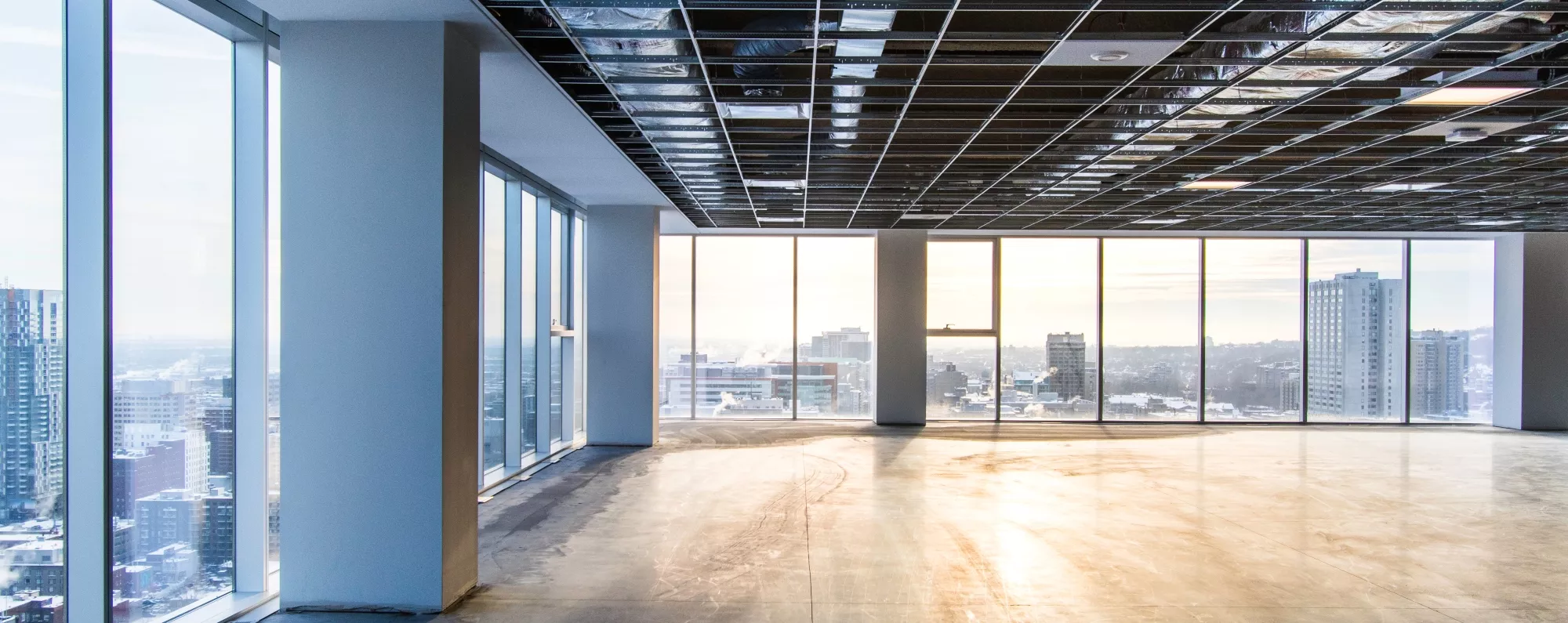
Manned Guarding for Vacant Commercial Buildings and Empty Units
Manned Guarding for Vacant Commercial Buildings and Empty Units
Vacant buildings can attract trespass, theft, arson risk and deterioration if they are left without visible oversight.
For many businesses, the real cost of poor security is not limited to a single incident. It can mean disruption, insurance claims, reputational damage, frustrated staff and a constant feeling that the site is exposed. A well-managed manned guarding service gives businesses visible reassurance as well as practical control.
Manned guarding can protect vulnerable entry points, support inspections and create an immediate response capability that empty properties otherwise lack.
Where businesses often feel exposed
For landlords and property managers, that can mean less uncertainty and stronger reassurance.
- Start with the real operating risks on site, including unauthorised access, theft, nuisance activity, lone workers, contractors and opening or closing routines.
- Position officers where they can combine visibility with control, such as receptions, gates, loading areas or shared access routes.
- Set clear expectations for patrols, challenge procedures, escalation and reporting so the client can measure outcomes, not just attendance.
- Review the service regularly to identify patterns, improve deployment and adapt to operational change.
What strong site security looks like
For many sites, the best outcome comes from combining security services with clear opening procedures, visitor handling and escalation rather than relying on a single measure.
Buyers usually get the best result when expectations are clear from the start. That means defining priorities, agreeing reporting standards and making sure the service reflects how the site or event actually operates. Security should never feel generic when the risks, audiences and operational pressures are specific.
In practical terms, good delivery is visible, proportionate and well managed. It protects people and property while supporting the wider experience of staff, visitors, guests, residents, contractors or members of the public. It also creates a stronger paper trail when incidents occur, which can help with reviews, accountability and insurance questions.
How McKenzie Arnold Group can support you
McKenzie Arnold Group delivers tailored manned guarding solutions with trained officers, clear communication and service standards designed around the client’s site. The team’s wider capability in visitor management and sector-specific security allows the service to be shaped around real operating needs.
If you are reviewing your requirements, the next sensible step is to explore the relevant service pages for security services and then contact McKenzie Arnold Group. A short conversation at the planning stage often makes it easier to scope a realistic, proportionate solution.
Frequently asked questions
What does a manned guarding service normally include?
The exact scope depends on the site, but it often includes access control, patrols, incident response, visitor handling, lock-up procedures and regular reporting.
How do businesses know whether manned guarding is the right fit?
It is often a strong fit where there is repeated risk, public interaction, complex access requirements or a need for visible reassurance on site.
Need support with vacant property security? Contact McKenzie Arnold Group on 01376 350 999, email info@mckenziearnold.com or use the contact page to discuss your requirements.
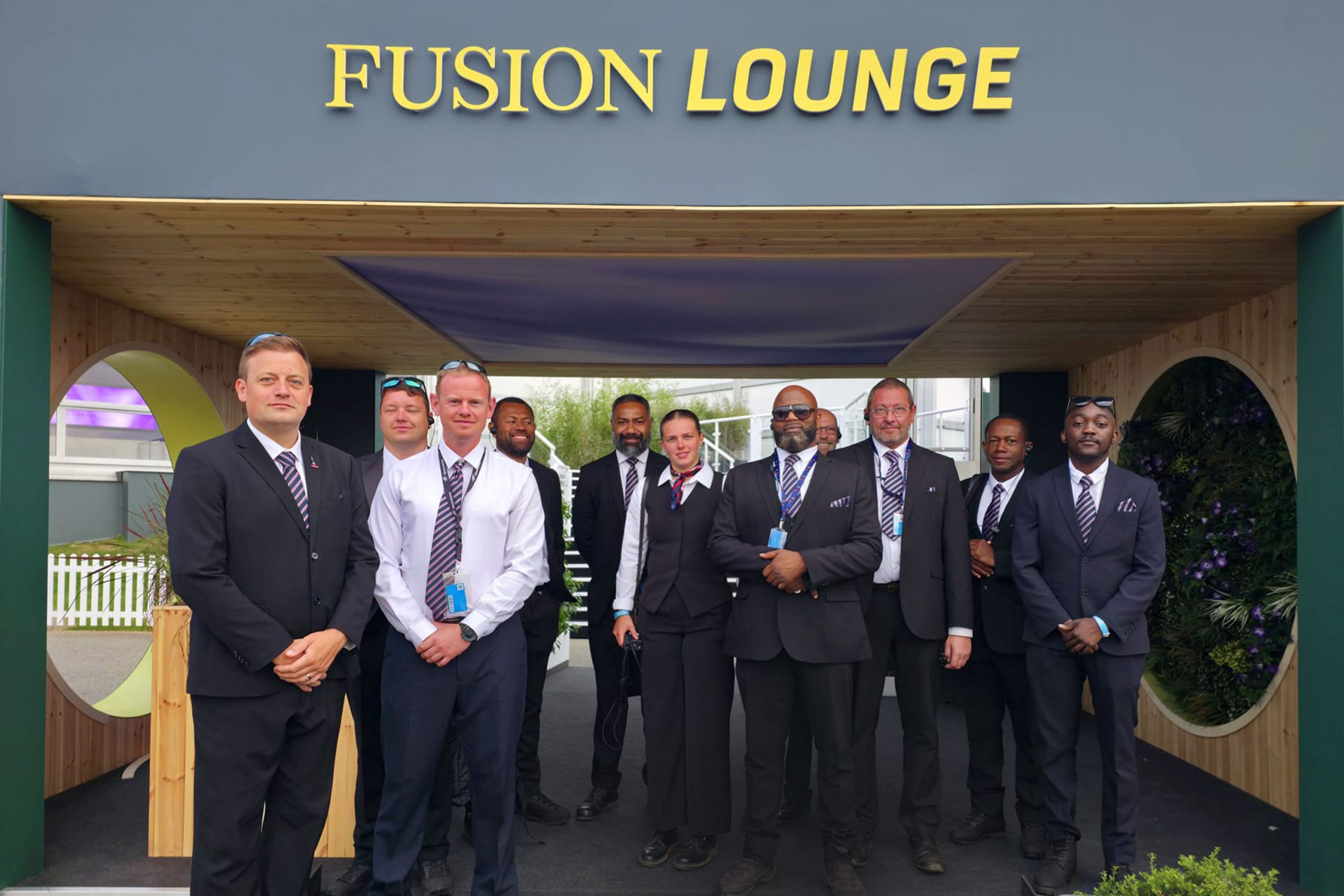
How Visitor Management Supports Safer, More Professional Events
How Visitor Management Supports Safer, More Professional Events
Visitor management is often one of the first things guests experience. When registration, check-in and access permissions are handled well, the whole event feels more organised.
Event organisers are expected to protect people, manage entry, maintain a professional guest experience and respond calmly when plans change. Good event security is not only about responding to incidents; it is about creating a safe, well-run environment that protects the event, the client and the wider brand.
The process also strengthens security by improving visibility over who should be present and where they should be able to go.
Where organisers often lose control
For organisers, that means better control and a more professional first impression.
- Define the outcome of the service early, including deterrence, guest reassurance, access control, incident response and protection of brand standards.
- Map audience movement carefully, paying close attention to entry, exit, queue build-up, welfare points and any area likely to become congested.
- Make sure the briefing covers customer service as well as security duties, so the tone of the team matches the event environment.
- Use clear reporting and supervision to maintain standards throughout the event rather than relying on assumptions once guests arrive.
What good delivery looks like
This is why many clients benefit from linking event security, crowd management and visitor management rather than treating them as separate decisions.
Buyers usually get the best result when expectations are clear from the start. That means defining priorities, agreeing reporting standards and making sure the service reflects how the site or event actually operates. Security should never feel generic when the risks, audiences and operational pressures are specific.
In practical terms, good delivery is visible, proportionate and well managed. It protects people and property while supporting the wider experience of staff, visitors, guests, residents, contractors or members of the public. It also creates a stronger paper trail when incidents occur, which can help with reviews, accountability and insurance questions.
How McKenzie Arnold Group can support you
McKenzie Arnold Group supports organisers with structured event security, experienced teams, practical planning input and a customer-focused approach that helps events feel safe and well run. Where required, the business can also support wider event management and guest journey considerations so security is aligned with the event as a whole.
If you are reviewing your requirements, the next sensible step is to explore the relevant service pages for event security and then crowd management. A short conversation at the planning stage often makes it easier to scope a realistic, proportionate solution.
Frequently asked questions
When should event security planning begin?
As early as possible. Early planning gives organisers time to assess risk, define staffing requirements, coordinate suppliers and avoid expensive last-minute changes.
What should organisers prepare before speaking to a security provider?
Useful information includes event type, expected attendance, venue layout, access points, timings, alcohol profile, VIP considerations and any known concerns around crowd behaviour or public safety.
Need support with visitor management for events? Contact McKenzie Arnold Group on 01376 350 999, email info@mckenziearnold.com or use the contact page to discuss your requirements.
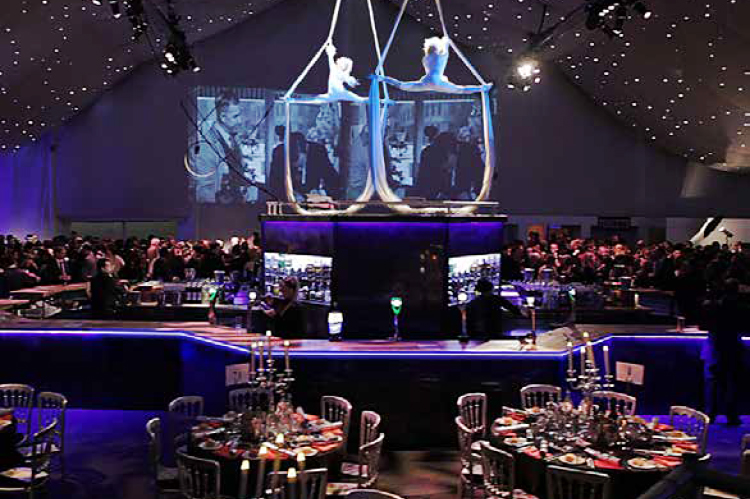
Event Security for Conferences, Exhibitions and Trade Shows
Event Security for Conferences, Exhibitions and Trade Shows
Conferences and exhibitions require calm, professional security because they involve registered guests, exhibitors, public routes, loading schedules and often a premium brand environment.
Event organisers are expected to protect people, manage entry, maintain a professional guest experience and respond calmly when plans change. Good event security is not only about responding to incidents; it is about creating a safe, well-run environment that protects the event, the client and the wider brand.
Good planning protects delegates and assets without creating barriers to networking or hospitality.
Where organisers often lose control
The right team supports the event operationally as well as from a risk perspective.
- Define the outcome of the service early, including deterrence, guest reassurance, access control, incident response and protection of brand standards.
- Map audience movement carefully, paying close attention to entry, exit, queue build-up, welfare points and any area likely to become congested.
- Make sure the briefing covers customer service as well as security duties, so the tone of the team matches the event environment.
- Use clear reporting and supervision to maintain standards throughout the event rather than relying on assumptions once guests arrive.
What good delivery looks like
This is why many clients benefit from linking event security, crowd management and visitor management rather than treating them as separate decisions.
Buyers usually get the best result when expectations are clear from the start. That means defining priorities, agreeing reporting standards and making sure the service reflects how the site or event actually operates. Security should never feel generic when the risks, audiences and operational pressures are specific.
In practical terms, good delivery is visible, proportionate and well managed. It protects people and property while supporting the wider experience of staff, visitors, guests, residents, contractors or members of the public. It also creates a stronger paper trail when incidents occur, which can help with reviews, accountability and insurance questions.
How McKenzie Arnold Group can support you
McKenzie Arnold Group supports organisers with structured event security, experienced teams, practical planning input and a customer-focused approach that helps events feel safe and well run. Where required, the business can also support wider event management and guest journey considerations so security is aligned with the event as a whole.
If you are reviewing your requirements, the next sensible step is to explore the relevant service pages for event security and then crowd management. A short conversation at the planning stage often makes it easier to scope a realistic, proportionate solution.
Frequently asked questions
When should event security planning begin?
As early as possible. Early planning gives organisers time to assess risk, define staffing requirements, coordinate suppliers and avoid expensive last-minute changes.
What should organisers prepare before speaking to a security provider?
Useful information includes event type, expected attendance, venue layout, access points, timings, alcohol profile, VIP considerations and any known concerns around crowd behaviour or public safety.
Need support with conference event security? Contact McKenzie Arnold Group on 01376 350 999, email info@mckenziearnold.com or use the contact page to discuss your requirements.
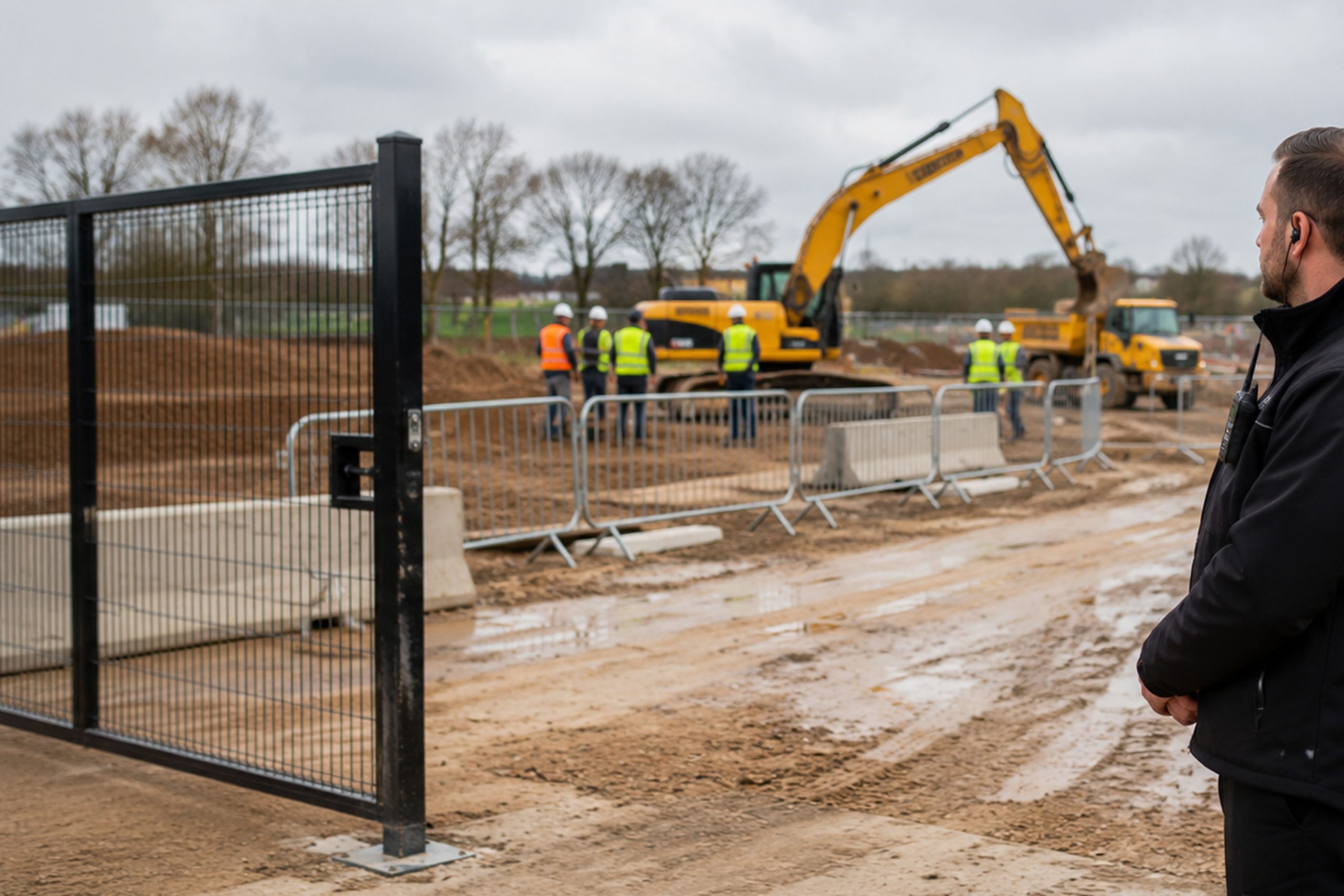
Construction Site Lock-Up Procedures That Reduce Losses Overnight
Construction Site Lock-Up Procedures That Reduce Losses Overnight
End-of-day lock-up procedures are often treated as routine, but they are one of the most important controls in overnight site protection.
Construction sites face changing risks from one phase of the programme to the next. New access routes, temporary boundaries, valuable materials, plant movement and multiple contractors all create security pressure points. The strongest sites treat security as an operational control, not an afterthought.
A weak close-down process can leave gates insecure, keys unaccounted for, fuel stores exposed or materials accessible near the perimeter.
Where construction sites are commonly exposed
Disciplined routines reduce avoidable losses.
- Assess the programme phase, because access arrangements and asset exposure usually change as the project progresses.
- Give particular attention to access control, perimeter condition, lighting, vulnerable materials and the flow of deliveries and subcontractors.
- Use disciplined closing procedures and supervision to reduce avoidable weaknesses before the site becomes quiet.
- Expect the security team to provide clear incident reporting so site leaders can identify trends and strengthen control.
What effective site protection looks like
Strong results usually come from joining construction security with disciplined site management, good contractor control and reliable communication between the principal team and the security provider.
Buyers usually get the best result when expectations are clear from the start. That means defining priorities, agreeing reporting standards and making sure the service reflects how the site or event actually operates. Security should never feel generic when the risks, audiences and operational pressures are specific.
In practical terms, good delivery is visible, proportionate and well managed. It protects people and property while supporting the wider experience of staff, visitors, guests, residents, contractors or members of the public. It also creates a stronger paper trail when incidents occur, which can help with reviews, accountability and insurance questions.
How McKenzie Arnold Group can support you
McKenzie Arnold Group provides tailored construction security built around site-specific risk assessments, access control, asset protection and reporting. The aim is to reduce disruption, protect the programme and give the client a clearer picture of what is happening on site.
If you are reviewing your requirements, the next sensible step is to explore the relevant service pages for construction security and then security services. A short conversation at the planning stage often makes it easier to scope a realistic, proportionate solution.
Frequently asked questions
Why do construction sites need tailored security rather than a generic service?
Construction risks change by phase, layout and programme. A tailored service reflects access points, contractor activity, asset profile and local risk rather than applying a one-size-fits-all model.
What should site teams review when assessing security?
They should review perimeter condition, lighting, access control, lock-up routines, vulnerable assets, delivery patterns, incident history and the quality of reporting and supervision.
Need support with construction site lock up procedures? Contact McKenzie Arnold Group on 01376 350 999, email info@mckenziearnold.com or use the contact page to discuss your requirements.
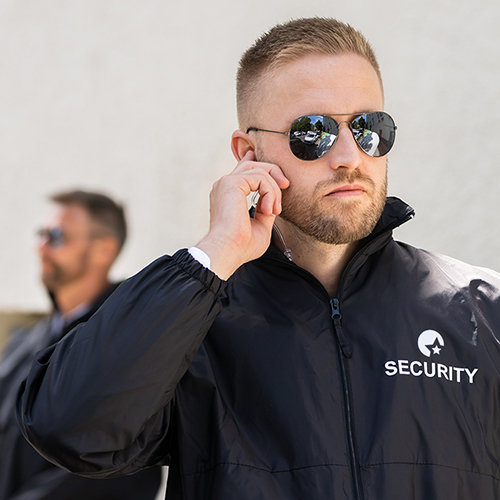
Alarm Response vs On-Site Security Officers: Which Is Right for Your Business?
Alarm Response vs On-Site Security Officers: Which Is Right for Your Business?
Alarm response has a place, but it begins after a trigger. On-site security begins before the trigger by watching, questioning and reducing the likelihood of an incident in the first place.
For many businesses, the real cost of poor security is not limited to a single incident. It can mean disruption, insurance claims, reputational damage, frustrated staff and a constant feeling that the site is exposed. A well-managed manned guarding service gives businesses visible reassurance as well as practical control.
Businesses comparing the two should think about response time, public-facing requirements, repeated incidents and the need for site-specific knowledge.
Where businesses often feel exposed
Where risk is persistent or complex, a resident officer often adds greater value.
- Start with the real operating risks on site, including unauthorised access, theft, nuisance activity, lone workers, contractors and opening or closing routines.
- Position officers where they can combine visibility with control, such as receptions, gates, loading areas or shared access routes.
- Set clear expectations for patrols, challenge procedures, escalation and reporting so the client can measure outcomes, not just attendance.
- Review the service regularly to identify patterns, improve deployment and adapt to operational change.
What strong site security looks like
For many sites, the best outcome comes from combining security services with clear opening procedures, visitor handling and escalation rather than relying on a single measure.
Buyers usually get the best result when expectations are clear from the start. That means defining priorities, agreeing reporting standards and making sure the service reflects how the site or event actually operates. Security should never feel generic when the risks, audiences and operational pressures are specific.
In practical terms, good delivery is visible, proportionate and well managed. It protects people and property while supporting the wider experience of staff, visitors, guests, residents, contractors or members of the public. It also creates a stronger paper trail when incidents occur, which can help with reviews, accountability and insurance questions.
How McKenzie Arnold Group can support you
McKenzie Arnold Group delivers tailored manned guarding solutions with trained officers, clear communication and service standards designed around the client’s site. The team’s wider capability in visitor management and sector-specific security allows the service to be shaped around real operating needs.
If you are reviewing your requirements, the next sensible step is to explore the relevant service pages for security services and then contact McKenzie Arnold Group. A short conversation at the planning stage often makes it easier to scope a realistic, proportionate solution.
Frequently asked questions
What does a manned guarding service normally include?
The exact scope depends on the site, but it often includes access control, patrols, incident response, visitor handling, lock-up procedures and regular reporting.
How do businesses know whether manned guarding is the right fit?
It is often a strong fit where there is repeated risk, public interaction, complex access requirements or a need for visible reassurance on site.
Need support with on site security officers? Contact McKenzie Arnold Group on 01376 350 999, email info@mckenziearnold.com or use the contact page to discuss your requirements.
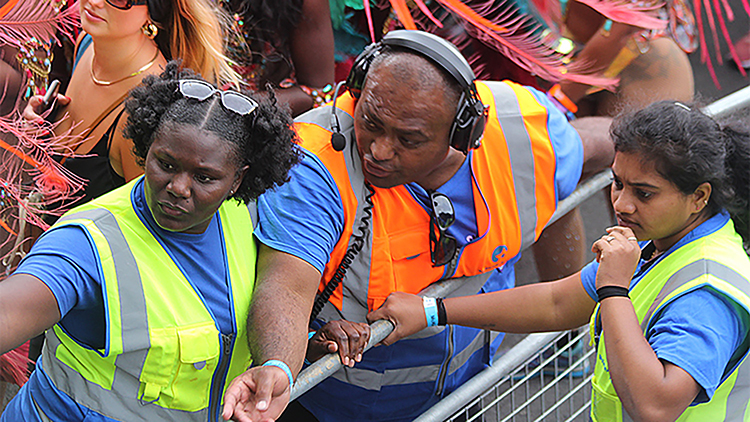
Why a Visible Manned Guarding Presence Helps Deter Theft and Anti-Social Behaviour
Why a Visible Manned Guarding Presence Helps Deter Theft and Anti-Social Behaviour
One of the simplest strengths of manned guarding is visibility. A well-positioned officer changes behaviour, creates reassurance and can prevent problems before they start.
For many businesses, the real cost of poor security is not limited to a single incident. It can mean disruption, insurance claims, reputational damage, frustrated staff and a constant feeling that the site is exposed. A well-managed manned guarding service gives businesses visible reassurance as well as practical control.
That deterrent effect is particularly useful in locations with repeat nuisance activity, trespass, theft or anti-social behaviour.
Where businesses often feel exposed
Deterrence works best when presence is paired with good reporting and supervision.
- Start with the real operating risks on site, including unauthorised access, theft, nuisance activity, lone workers, contractors and opening or closing routines.
- Position officers where they can combine visibility with control, such as receptions, gates, loading areas or shared access routes.
- Set clear expectations for patrols, challenge procedures, escalation and reporting so the client can measure outcomes, not just attendance.
- Review the service regularly to identify patterns, improve deployment and adapt to operational change.
What strong site security looks like
For many sites, the best outcome comes from combining security services with clear opening procedures, visitor handling and escalation rather than relying on a single measure.
Buyers usually get the best result when expectations are clear from the start. That means defining priorities, agreeing reporting standards and making sure the service reflects how the site or event actually operates. Security should never feel generic when the risks, audiences and operational pressures are specific.
In practical terms, good delivery is visible, proportionate and well managed. It protects people and property while supporting the wider experience of staff, visitors, guests, residents, contractors or members of the public. It also creates a stronger paper trail when incidents occur, which can help with reviews, accountability and insurance questions.
How McKenzie Arnold Group can support you
McKenzie Arnold Group delivers tailored manned guarding solutions with trained officers, clear communication and service standards designed around the client’s site. The team’s wider capability in visitor management and sector-specific security allows the service to be shaped around real operating needs.
If you are reviewing your requirements, the next sensible step is to explore the relevant service pages for security services and then contact McKenzie Arnold Group. A short conversation at the planning stage often makes it easier to scope a realistic, proportionate solution.
Frequently asked questions
What does a manned guarding service normally include?
The exact scope depends on the site, but it often includes access control, patrols, incident response, visitor handling, lock-up procedures and regular reporting.
How do businesses know whether manned guarding is the right fit?
It is often a strong fit where there is repeated risk, public interaction, complex access requirements or a need for visible reassurance on site.
Need support with visible manned guarding? Contact McKenzie Arnold Group on 01376 350 999, email info@mckenziearnold.com or use the contact page to discuss your requirements.
Security Planning for VIP Guests at Corporate Events
Security Planning for VIP Guests at Corporate Events
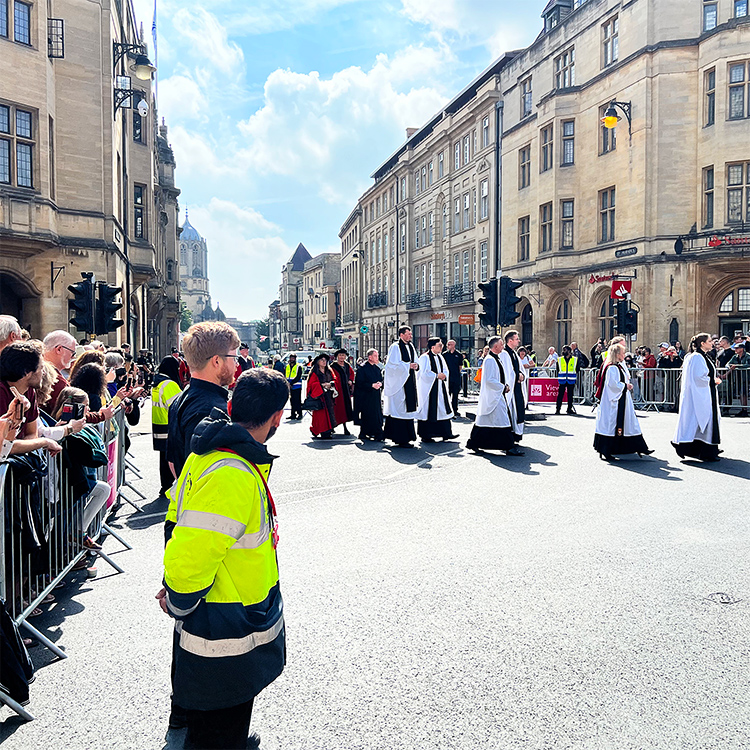
When VIP guests attend a corporate event, planning needs to go beyond the basics and account for arrival routes, privacy, access permissions and rapid communication.
Event organisers are expected to protect people, manage entry, maintain a professional guest experience and respond calmly when plans change. Good event security is not only about responding to incidents; it is about creating a safe, well-run environment that protects the event, the client and the wider brand.
It is possible to maintain a professional guest experience without drawing unnecessary attention to the security presence.
Where organisers often lose control
The key is coordination between organisers, venue teams and the security provider.
- Define the outcome of the service early, including deterrence, guest reassurance, access control, incident response and protection of brand standards.
- Map audience movement carefully, paying close attention to entry, exit, queue build-up, welfare points and any area likely to become congested.
- Make sure the briefing covers customer service as well as security duties, so the tone of the team matches the event environment.
- Use clear reporting and supervision to maintain standards throughout the event rather than relying on assumptions once guests arrive.
What good delivery looks like
This is why many clients benefit from linking event security, crowd management and visitor management rather than treating them as separate decisions.
Buyers usually get the best result when expectations are clear from the start. That means defining priorities, agreeing reporting standards and making sure the service reflects how the site or event actually operates. Security should never feel generic when the risks, audiences and operational pressures are specific.
In practical terms, good delivery is visible, proportionate and well managed. It protects people and property while supporting the wider experience of staff, visitors, guests, residents, contractors or members of the public. It also creates a stronger paper trail when incidents occur, which can help with reviews, accountability and insurance questions.
How McKenzie Arnold Group can support you
McKenzie Arnold Group supports organisers with structured event security, experienced teams, practical planning input and a customer-focused approach that helps events feel safe and well run. Where required, the business can also support wider event management and guest journey considerations so security is aligned with the event as a whole.
If you are reviewing your requirements, the next sensible step is to explore the relevant service pages for event security and then crowd management. A short conversation at the planning stage often makes it easier to scope a realistic, proportionate solution.
Frequently asked questions
When should event security planning begin?
As early as possible. Early planning gives organisers time to assess risk, define staffing requirements, coordinate suppliers and avoid expensive last-minute changes.
What should organisers prepare before speaking to a security provider?
Useful information includes event type, expected attendance, venue layout, access points, timings, alcohol profile, VIP considerations and any known concerns around crowd behaviour or public safety.
Need support with corporate event security? Contact McKenzie Arnold Group on 01376 350 999, email info@mckenziearnold.com or use the contact page to discuss your requirements.
Charity Event Security for Galas and Fundraising Events
Event Security for Charity Galas and Fundraising Events
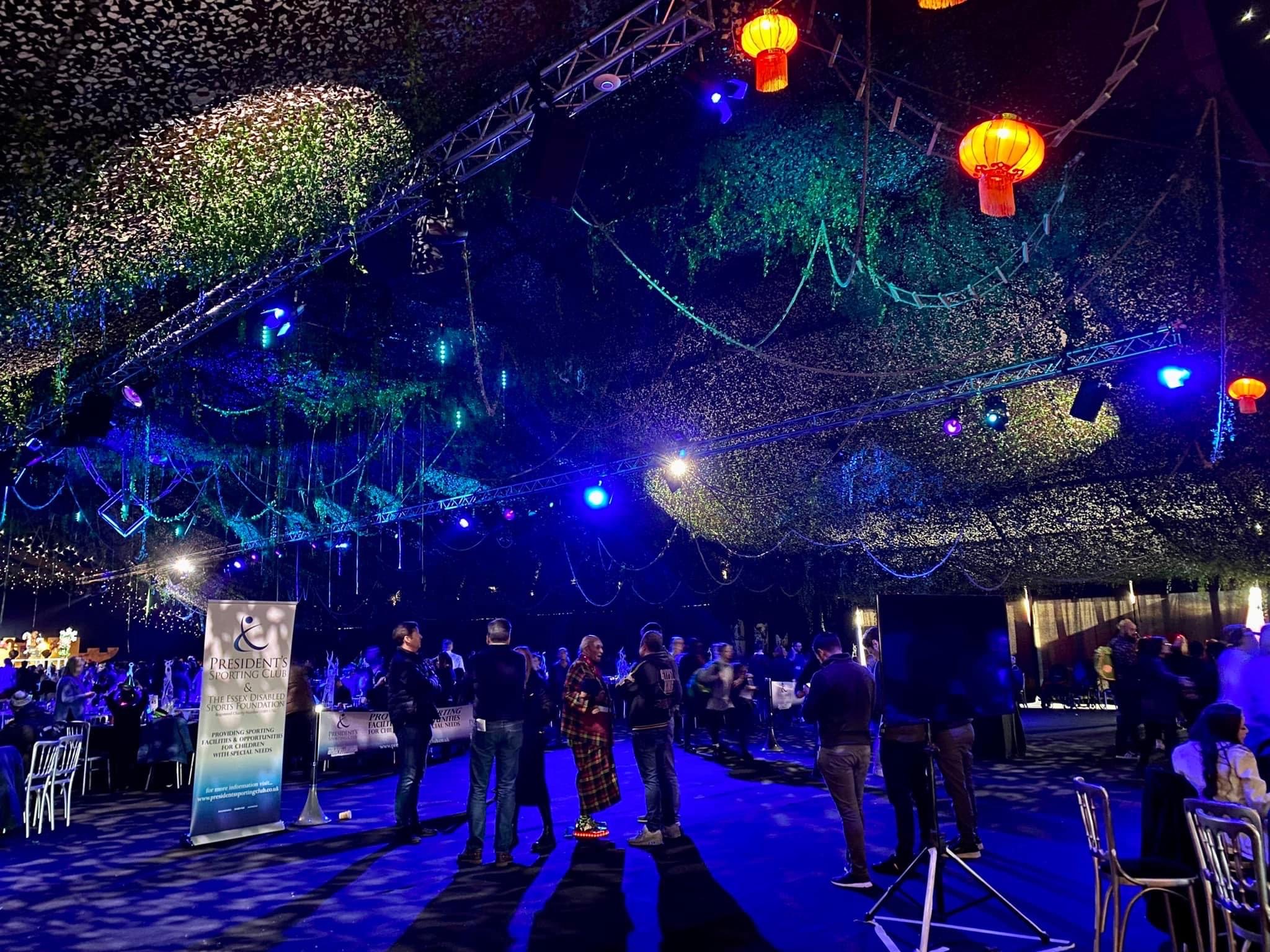
Charity galas need security that is polished, reassuring and discreet while still being ready to manage access, VIPs, suppliers and guest welfare.
Event organisers are expected to protect people, manage entry, maintain a professional guest experience and respond calmly when plans change. Good event security is not only about responding to incidents; it is about creating a safe, well-run environment that protects the event, the client and the wider brand.
The best security teams understand that the atmosphere matters. Presence should support the event, not dominate it.
Where organisers often lose control
That balance is especially important where donors, sponsors and public-facing stakeholders are present.
- Define the outcome of the service early, including deterrence, guest reassurance, access control, incident response and protection of brand standards.
- Map audience movement carefully, paying close attention to entry, exit, queue build-up, welfare points and any area likely to become congested.
- Make sure the briefing covers customer service as well as security duties, so the tone of the team matches the event environment.
- Use clear reporting and supervision to maintain standards throughout the event rather than relying on assumptions once guests arrive.
What good delivery looks like
This is why many clients benefit from linking event security, crowd management and visitor management rather than treating them as separate decisions.
Buyers usually get the best result when expectations are clear from the start. That means defining priorities, agreeing reporting standards and making sure the service reflects how the site or event actually operates. Security should never feel generic when the risks, audiences and operational pressures are specific.
In practical terms, good delivery is visible, proportionate and well managed. It protects people and property while supporting the wider experience of staff, visitors, guests, residents, contractors or members of the public. It also creates a stronger paper trail when incidents occur, which can help with reviews, accountability and insurance questions.
How McKenzie Arnold Group can support you
McKenzie Arnold Group supports organisers with structured event security, experienced teams, practical planning input and a customer-focused approach that helps events feel safe and well run. Where required, the business can also support wider event management and guest journey considerations so security is aligned with the event as a whole.
If you are reviewing your requirements, the next sensible step is to explore the relevant service pages for event security and then crowd management. A short conversation at the planning stage often makes it easier to scope a realistic, proportionate solution.
Frequently asked questions
When should event security planning begin?
As early as possible. Early planning gives organisers time to assess risk, define staffing requirements, coordinate suppliers and avoid expensive last-minute changes.
What should organisers prepare before speaking to a security provider?
Useful information includes event type, expected attendance, venue layout, access points, timings, alcohol profile, VIP considerations and any known concerns around crowd behaviour or public safety.
Need support with charity event security? Contact McKenzie Arnold Group on 01376 350 999, email info@mckenziearnold.com or use the contact page to discuss your requirements.