


Security for Product Launches and Brand Activations
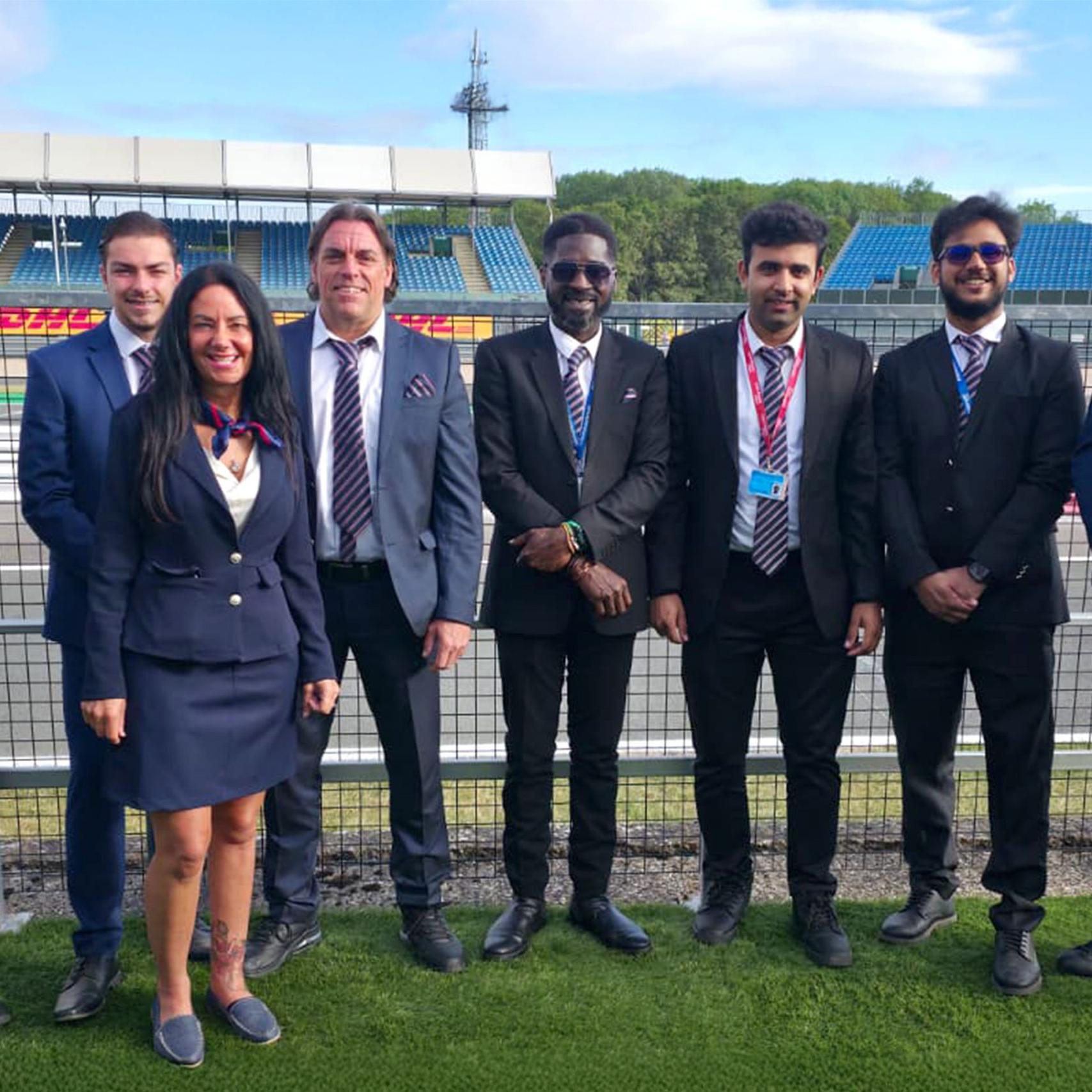
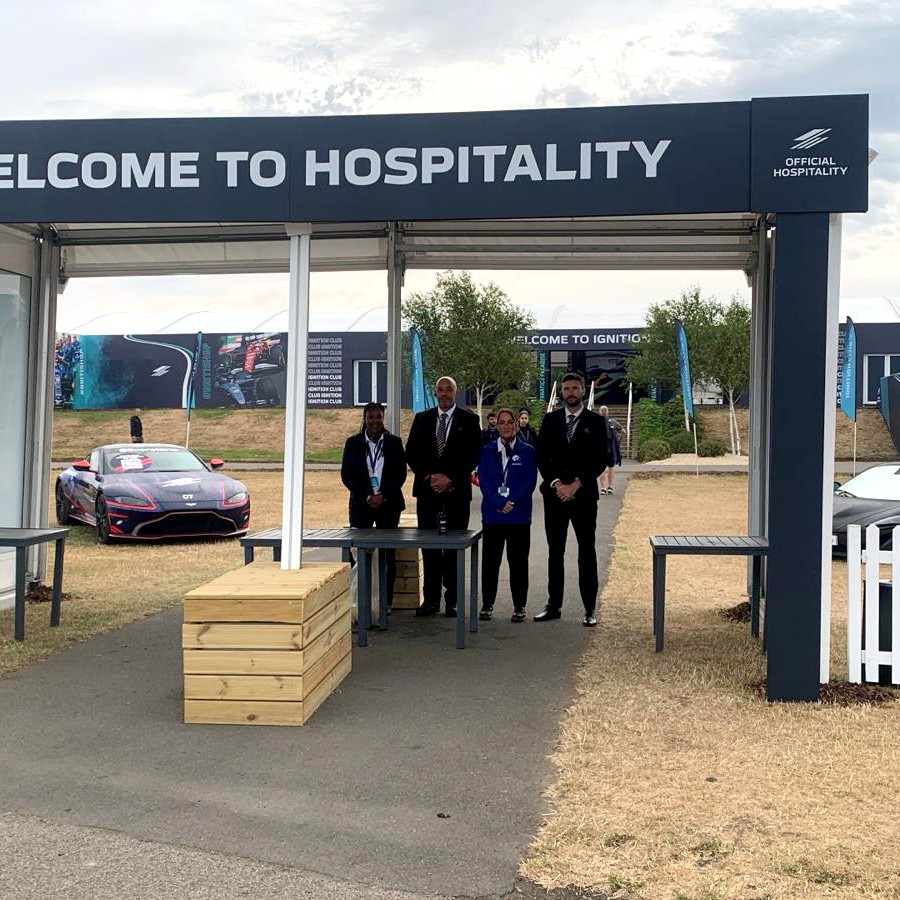
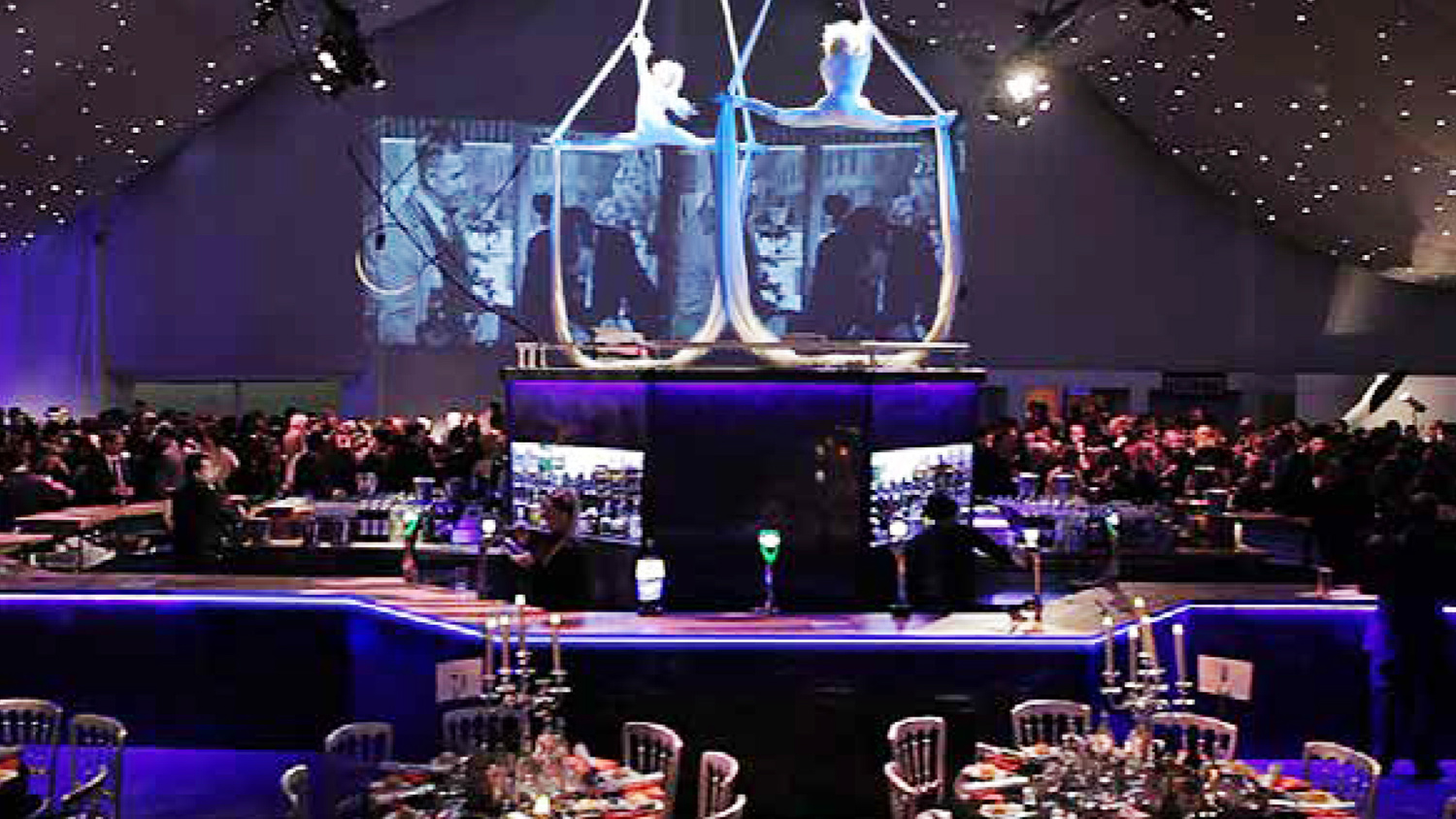
Every environment brings its own pressure points, and product launch security is no different. The right approach depends on visitor profile, venue layout, operating hours, asset value and the level of public interaction involved. Hospitality environments need visible control delivered in a way that still feels welcoming, polished and proportionate to the setting. It protects brand and reputation as well as people and property, because guests remember how safe, organised and professional a venue or event feels. It also explains why experienced delivery teams spend as much time on planning and briefing as they do on live deployment.
Typical risks in this environment
In practical terms, product launch security should be shaped around the people using the space, the pace of the operation and the consequences of failure. Entry points, circulation routes, staffing levels, vulnerable areas, contractor activity, high-value assets and expected behaviour all influence what the right plan looks like. Strong delivery does not rely on guesswork; it relies on a clear operating picture and a team that understands how to act within it.
Clients tend to get better results when they define the purpose of the service early. Is the priority deterrence, public reassurance, traffic flow, guest handling, loss prevention, incident escalation, asset protection or a blend of several outcomes? Once those priorities are clear, deployment becomes far easier to design and measure.
What a proportionate response looks like
- Deploy people where visibility, reassurance and intervention will make the biggest difference.
- Use access control and public communication to reduce friction before it turns into an incident.
- Maintain strong supervision so standards remain consistent throughout the operation.
- Record issues clearly and review patterns so the service improves over time.
- Match the tone of the security presence to the audience, venue and brand environment.
How McKenzie Arnold Group supports delivery
McKenzie Arnold Group is well placed to support this kind of requirement because the business already delivers integrated visitor management, security and stewarding services across a wide range of environments. The website’s service structure shows dedicated capability across security services, visitor management, event security, crowd management, hospitality, event management, close protection and sector-specific solutions, giving clients a practical route from planning through to delivery.
For organisations exploring product launch security, it is often useful to connect the topic to adjacent services rather than treating it in isolation. For example, a safer operation may also depend on visitor management, crowd movement, front-of-house hosting, licensed staff or joined-up event management. That is why related internal links and service pathways matter in both user journeys and SEO.
Useful next steps include reviewing the relevant service page and, where appropriate, exploring a related McKenzie Arnold Group solution.
Frequently asked questions
Why does customer service matter in security?
Because many security roles are public-facing. Calm communication, confidence and professionalism help prevent friction, improve compliance and protect the guest experience.
When should security planning begin?
Ideally at the earliest practical stage, once scope, venue and audience profile start to become clear. Early involvement helps shape staffing, access control, public flow and contingency planning before bad habits become fixed.
Protect your brand moment with security that feels polished, prepared and proportionate. The strongest outcomes usually come from clear objectives, early planning and a team that can adapt professionally once the operation goes live.

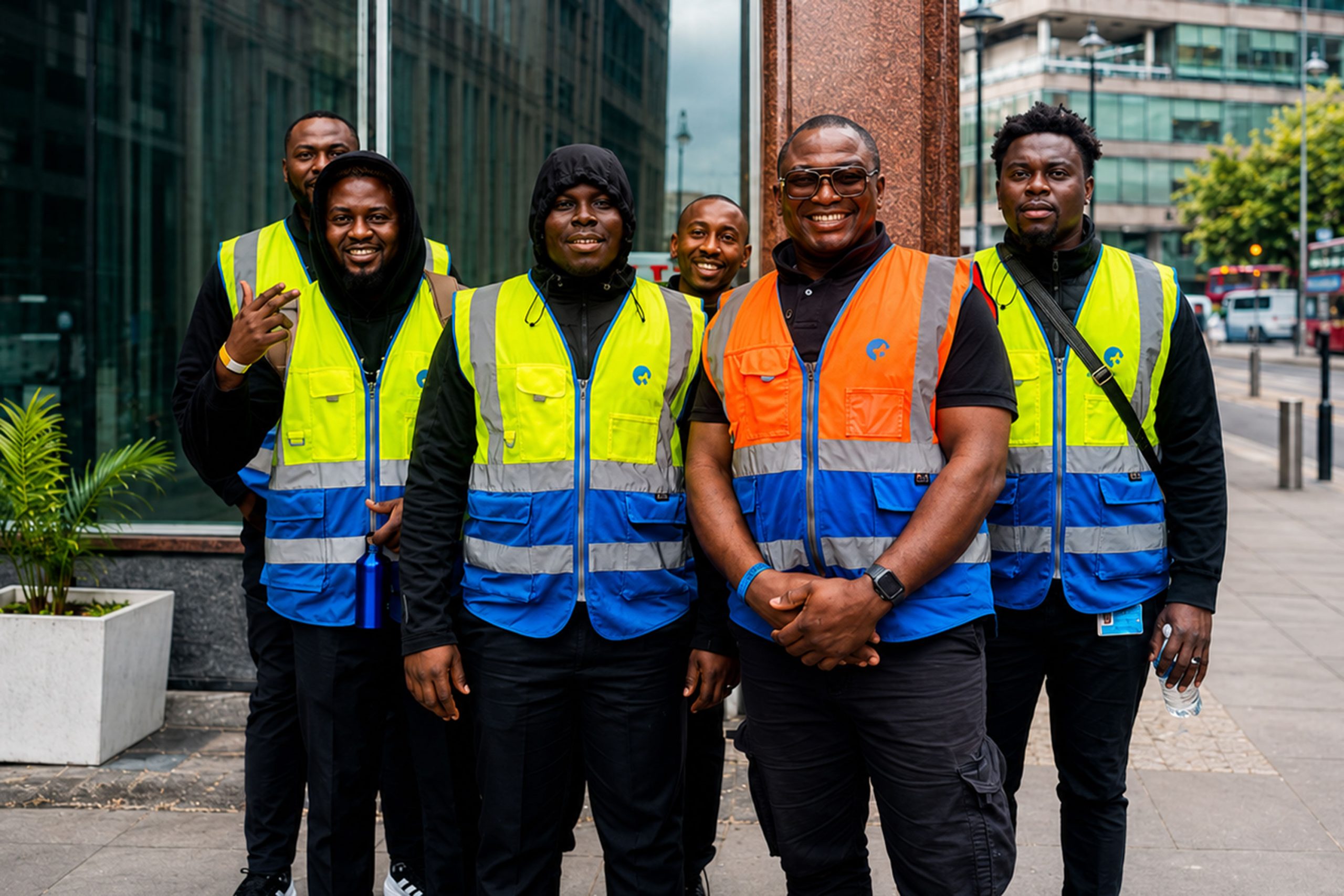
Integrated Event Management and Security: Why Clients Benefit from Joined-Up Delivery
Some security decisions look simple until the event opens or the venue gets busy. That is why event management and security is worth unpacking properly. Joined-up event management reduces hand-off risk, improves accountability and helps security decisions align with the wider event programme. It improves confidence for staff, clients, attendees and contractors because everyone can see who is responsible, where to go and how issues will be handled. That is where a joined-up security and visitor experience becomes valuable.
Why this matters operationally
In practical terms, event management and security should be shaped around the people using the space, the pace of the operation and the consequences of failure. Entry points, circulation routes, staffing levels, vulnerable areas, contractor activity, high-value assets and expected behaviour all influence what the right plan looks like. Strong delivery does not rely on guesswork; it relies on a clear operating picture and a team that understands how to act within it.
Clients tend to get better results when they define the purpose of the service early. Is the priority deterrence, public reassurance, traffic flow, guest handling, loss prevention, incident escalation, asset protection or a blend of several outcomes? Once those priorities are clear, deployment becomes far easier to design and measure.
What good looks like
- Deploy people where visibility, reassurance and intervention will make the biggest difference.
- Use access control and public communication to reduce friction before it turns into an incident.
- Maintain strong supervision so standards remain consistent throughout the operation.
- Record issues clearly and review patterns so the service improves over time.
- Match the tone of the security presence to the audience, venue and brand environment.
Applying it in practice
McKenzie Arnold Group is well placed to support this kind of requirement because the business already delivers integrated visitor management, security and stewarding services across a wide range of environments. The website’s service structure shows dedicated capability across security services, visitor management, event security, crowd management, hospitality, event management, close protection and sector-specific solutions, giving clients a practical route from planning through to delivery.
For organisations exploring event management and security, it is often useful to connect the topic to adjacent services rather than treating it in isolation. For example, a safer operation may also depend on visitor management, crowd movement, front-of-house hosting, licensed staff or joined-up event management. That is why related internal links and service pathways matter in both user journeys and SEO.
Useful next steps include reviewing the relevant service page and, where appropriate, exploring a related McKenzie Arnold Group solution.
Frequently asked questions
When should security planning begin?
Ideally at the earliest practical stage, once scope, venue and audience profile start to become clear. Early involvement helps shape staffing, access control, public flow and contingency planning before bad habits become fixed.
Why does customer service matter in security?
Because many security roles are public-facing. Calm communication, confidence and professionalism help prevent friction, improve compliance and protect the guest experience.
Consider a joined-up delivery model if multiple suppliers are creating gaps in accountability. The strongest outcomes usually come from clear objectives, early planning and a team that can adapt professionally once the operation goes live.