


Construction Security for High-Value Plant, Fuel and Materials
Construction Security for High-Value Plant, Fuel and Materials
Plant, fuel and materials are valuable, mobile and often easy to target if they are not properly controlled.
Construction sites face changing risks from one phase of the programme to the next. New access routes, temporary boundaries, valuable materials, plant movement and multiple contractors all create security pressure points. The strongest sites treat security as an operational control, not an afterthought.
Construction security should focus on storage arrangements, delivery planning, lighting, patrol routes and how officers respond when something appears out of place.
Where construction sites are commonly exposed
Small improvements in control can make a major difference to loss prevention.
- Assess the programme phase, because access arrangements and asset exposure usually change as the project progresses.
- Give particular attention to access control, perimeter condition, lighting, vulnerable materials and the flow of deliveries and subcontractors.
- Use disciplined closing procedures and supervision to reduce avoidable weaknesses before the site becomes quiet.
- Expect the security team to provide clear incident reporting so site leaders can identify trends and strengthen control.
What effective site protection looks like
Strong results usually come from joining construction security with disciplined site management, good contractor control and reliable communication between the principal team and the security provider.
Buyers usually get the best result when expectations are clear from the start. That means defining priorities, agreeing reporting standards and making sure the service reflects how the site or event actually operates. Security should never feel generic when the risks, audiences and operational pressures are specific.
In practical terms, good delivery is visible, proportionate and well managed. It protects people and property while supporting the wider experience of staff, visitors, guests, residents, contractors or members of the public. It also creates a stronger paper trail when incidents occur, which can help with reviews, accountability and insurance questions.
How McKenzie Arnold Group can support you
McKenzie Arnold Group provides tailored construction security built around site-specific risk assessments, access control, asset protection and reporting. The aim is to reduce disruption, protect the programme and give the client a clearer picture of what is happening on site.
If you are reviewing your requirements, the next sensible step is to explore the relevant service pages for construction security and then security services. A short conversation at the planning stage often makes it easier to scope a realistic, proportionate solution.
Frequently asked questions
Why do construction sites need tailored security rather than a generic service?
Construction risks change by phase, layout and programme. A tailored service reflects access points, contractor activity, asset profile and local risk rather than applying a one-size-fits-all model.
What should site teams review when assessing security?
They should review perimeter condition, lighting, access control, lock-up routines, vulnerable assets, delivery patterns, incident history and the quality of reporting and supervision.
Need support with construction site security? Contact McKenzie Arnold Group on 01376 350 999, email info@mckenziearnold.com or use the contact page to discuss your requirements.

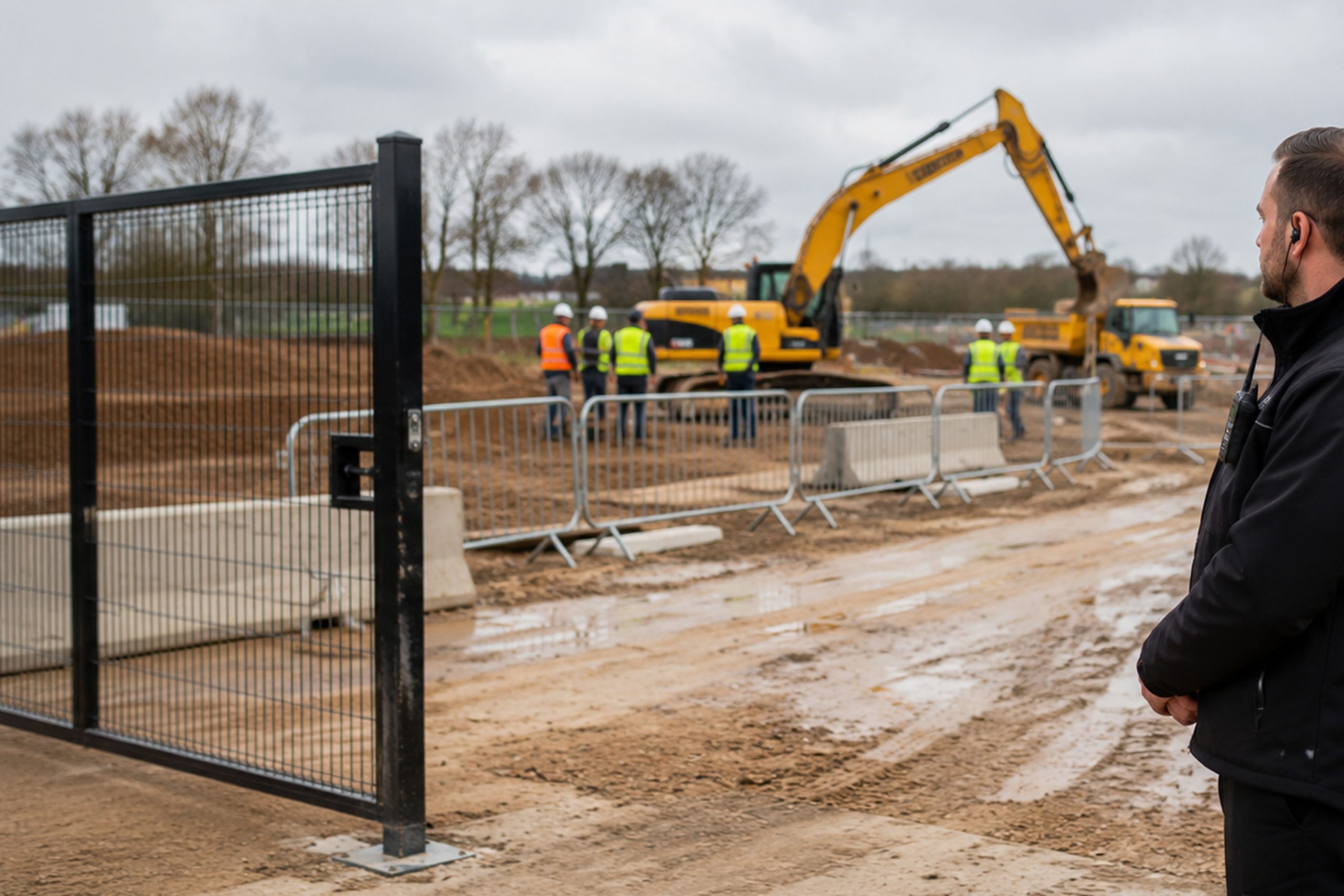
Construction Security During Groundworks and Early Site Setup
Construction Security During Groundworks and Early Site Setup
During the early phase of a project, boundaries can be temporary, lighting may be limited and the site layout may still be changing day by day.
Construction sites face changing risks from one phase of the programme to the next. New access routes, temporary boundaries, valuable materials, plant movement and multiple contractors all create security pressure points. The strongest sites treat security as an operational control, not an afterthought.
That combination makes early-stage sites particularly attractive to opportunistic trespassers and thieves looking for tools, fuel or plant.
Where construction sites are commonly exposed
A tailored deployment at this stage helps clients establish control before bad habits or security gaps develop.
- Assess the programme phase, because access arrangements and asset exposure usually change as the project progresses.
- Give particular attention to access control, perimeter condition, lighting, vulnerable materials and the flow of deliveries and subcontractors.
- Use disciplined closing procedures and supervision to reduce avoidable weaknesses before the site becomes quiet.
- Expect the security team to provide clear incident reporting so site leaders can identify trends and strengthen control.
What effective site protection looks like
Strong results usually come from joining construction security with disciplined site management, good contractor control and reliable communication between the principal team and the security provider.
Buyers usually get the best result when expectations are clear from the start. That means defining priorities, agreeing reporting standards and making sure the service reflects how the site or event actually operates. Security should never feel generic when the risks, audiences and operational pressures are specific.
In practical terms, good delivery is visible, proportionate and well managed. It protects people and property while supporting the wider experience of staff, visitors, guests, residents, contractors or members of the public. It also creates a stronger paper trail when incidents occur, which can help with reviews, accountability and insurance questions.
How McKenzie Arnold Group can support you
McKenzie Arnold Group provides tailored construction security built around site-specific risk assessments, access control, asset protection and reporting. The aim is to reduce disruption, protect the programme and give the client a clearer picture of what is happening on site.
If you are reviewing your requirements, the next sensible step is to explore the relevant service pages for construction security and then security services. A short conversation at the planning stage often makes it easier to scope a realistic, proportionate solution.
Frequently asked questions
Why do construction sites need tailored security rather than a generic service?
Construction risks change by phase, layout and programme. A tailored service reflects access points, contractor activity, asset profile and local risk rather than applying a one-size-fits-all model.
What should site teams review when assessing security?
They should review perimeter condition, lighting, access control, lock-up routines, vulnerable assets, delivery patterns, incident history and the quality of reporting and supervision.
Need support with construction security services? Contact McKenzie Arnold Group on 01376 350 999, email info@mckenziearnold.com or use the contact page to discuss your requirements.
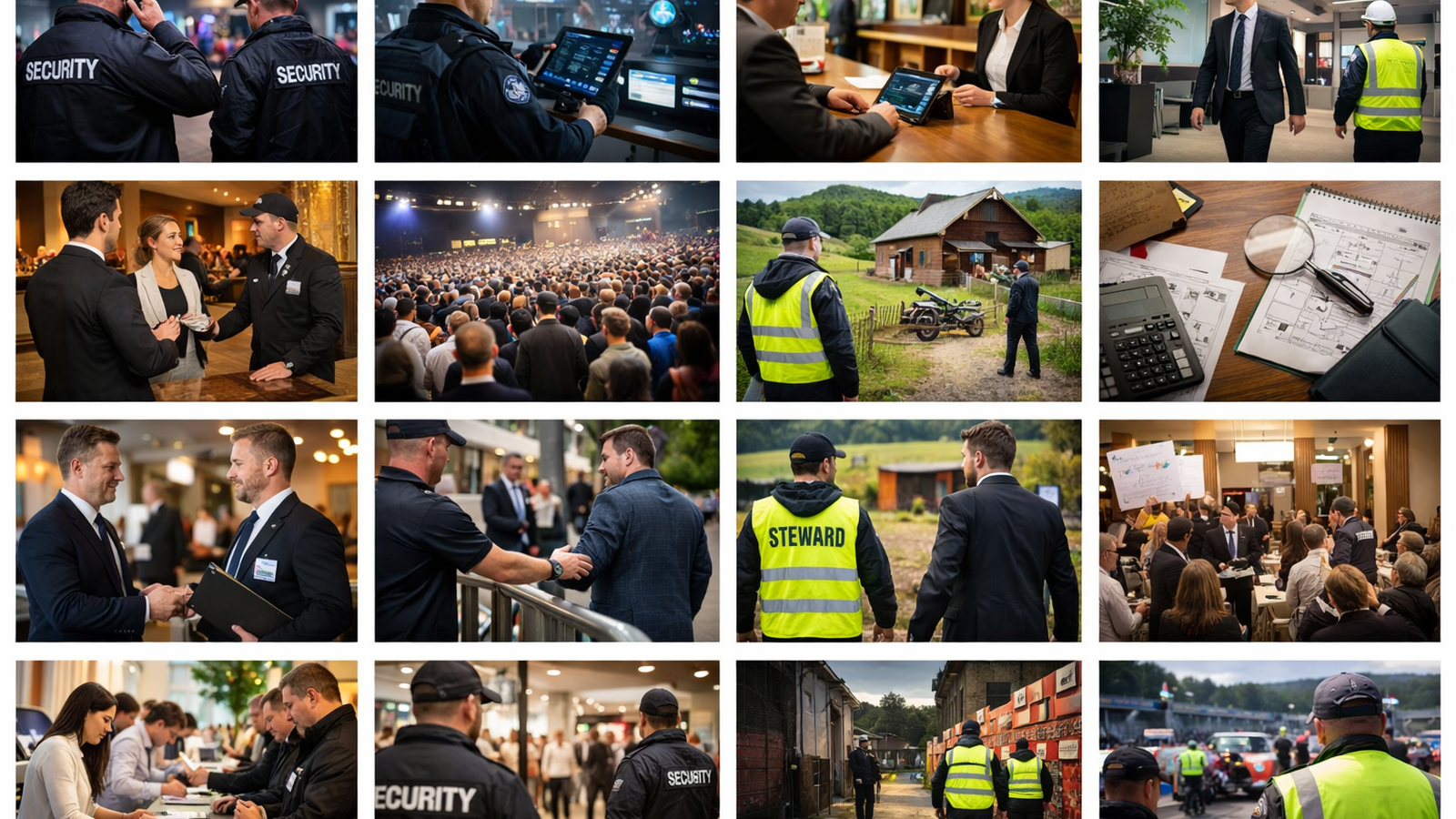
Construction Security Services: Protecting Sites, Plant and People
Every environment brings its own pressure points, and construction security services is no different. The right approach depends on visitor profile, venue layout, operating hours, asset value and the level of public interaction involved. Construction security must protect plant, materials and personnel while keeping essential site activity moving. It supports smoother daily operations by reducing uncertainty at entry points, improving communication and helping teams react faster when conditions change. This is why early collaboration between client teams, venue teams and security leads matters so much.
Typical risks in this environment
In practical terms, construction security services should be shaped around the people using the space, the pace of the operation and the consequences of failure. Entry points, circulation routes, staffing levels, vulnerable areas, contractor activity, high-value assets and expected behaviour all influence what the right plan looks like. Strong delivery does not rely on guesswork; it relies on a clear operating picture and a team that understands how to act within it.
Clients tend to get better results when they define the purpose of the service early. Is the priority deterrence, public reassurance, traffic flow, guest handling, loss prevention, incident escalation, asset protection or a blend of several outcomes? Once those priorities are clear, deployment becomes far easier to design and measure.
What a proportionate response looks like
- Deploy people where visibility, reassurance and intervention will make the biggest difference.
- Use access control and public communication to reduce friction before it turns into an incident.
- Maintain strong supervision so standards remain consistent throughout the operation.
- Record issues clearly and review patterns so the service improves over time.
- Match the tone of the security presence to the audience, venue and brand environment.
How McKenzie Arnold Group supports delivery
McKenzie Arnold Group is well placed to support this kind of requirement because the business already delivers integrated visitor management, security and stewarding services across a wide range of environments. The website’s service structure shows dedicated capability across security services, visitor management, event security, crowd management, hospitality, event management, close protection and sector-specific solutions, giving clients a practical route from planning through to delivery.
For organisations exploring construction security services, it is often useful to connect the topic to adjacent services rather than treating it in isolation. For example, a safer operation may also depend on visitor management, crowd movement, front-of-house hosting, licensed staff or joined-up event management. That is why related internal links and service pathways matter in both user journeys and SEO.
Useful next steps include reviewing the relevant service page and, where appropriate, exploring a related McKenzie Arnold Group solution.
Frequently asked questions
When should security planning begin?
Ideally at the earliest practical stage, once scope, venue and audience profile start to become clear. Early involvement helps shape staffing, access control, public flow and contingency planning before bad habits become fixed.
Why does customer service matter in security?
Because many security roles are public-facing. Calm communication, confidence and professionalism help prevent friction, improve compliance and protect the guest experience.
Book a site review to strengthen construction security and access control. The strongest outcomes usually come from clear objectives, early planning and a team that can adapt professionally once the operation goes live.